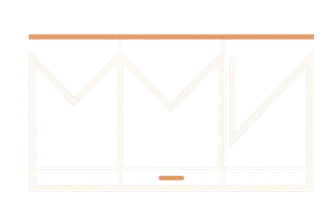
Grain across doors
Decide whether the figure should flow across the fronts or be oriented separately on each door.
Natural veneer gives a cabinet a real timber face without making the whole structure solid wood. If grain is to run across several doors, its direction needs deciding before the panels are cut.
No two leaves have exactly the same figure. A small sample shows the colour; the full arrangement determines how the doors read together.
Decide whether the figure should flow across the fronts or be oriented separately on each door.
Veneer is bonded to a board whose thickness and build suit the size of the finished panel.
A visible edge needs a treatment that works with both the veneered face and the wear expected there.
Timber beside a bright window can look quite different from the sample viewed indoors.
Using veneer where it is seen and a practical board inside can direct spend to the parts that matter most.
Cleaning depends on the applied lacquer or oil; standing water should be kept away from joints.
 Photo collection
 Furniture inspiration from MMV Estudio
View on Instagram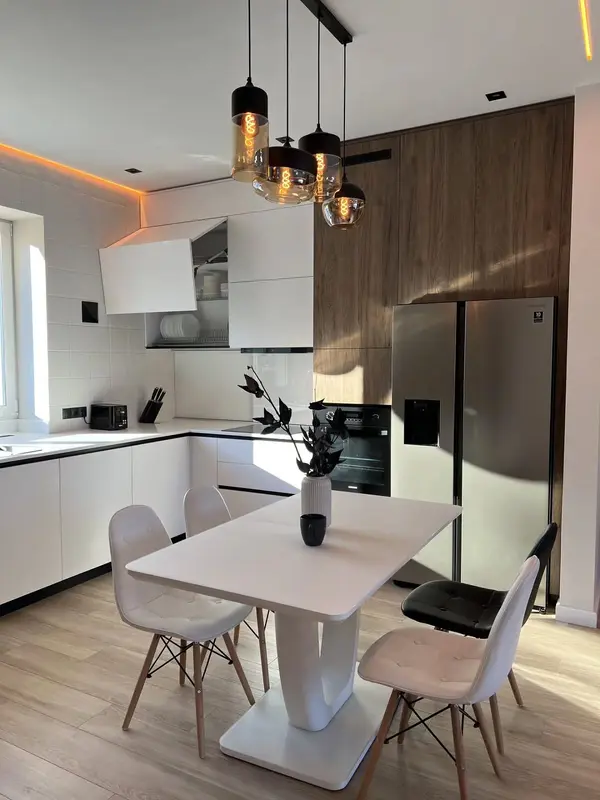 Photo collection
 Furniture inspiration from MMV Estudio
View on Instagram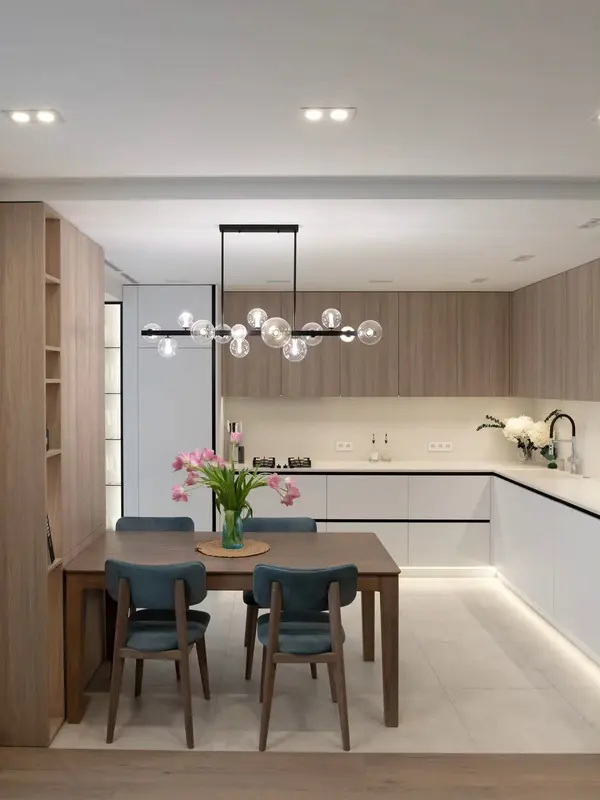 Photo collection
 Furniture inspiration from MMV Estudio
View on Instagram Photo collection
 Furniture inspiration from MMV Estudio
View on Instagram Photo collection
 Furniture inspiration from MMV Estudio
View on Instagram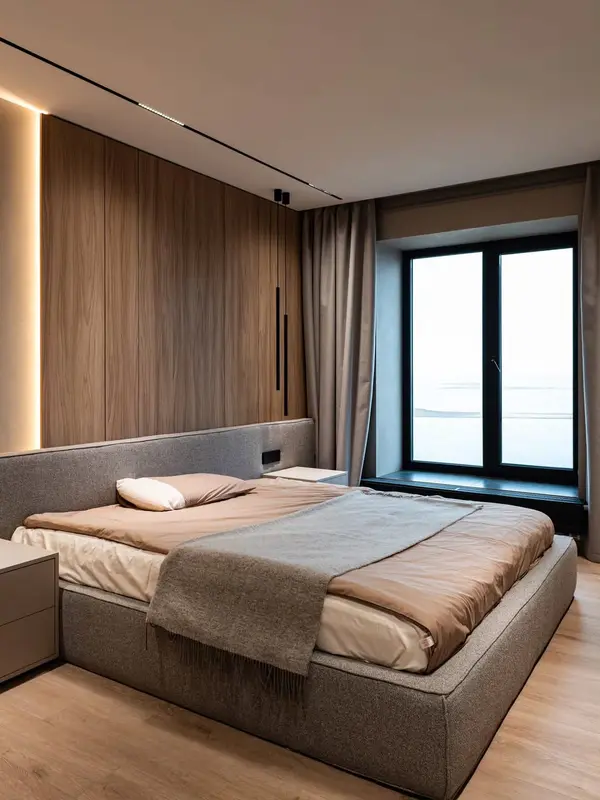 Photo collection
 Furniture inspiration from MMV Estudio
View on InstagramNo. A thin layer of real wood is fixed to a substrate, which changes the edge detail, weight and construction.
The leaves can be arranged in sequence, within the natural variation of the timber available.
Species, substrate, edge treatment and surface finish. The word “veneer” alone does not describe the build.
We will review your enquiry and contact you to clarify the scope and next steps. Sending this form does not place an order.